

The first women of Dartmouth arrived at a campus that was not quite ready for them.
In the fall of 1972, 177 first-year women and 74 female transfer students joined 3,030 male undergraduates to make history. Each found their own way through it.
Fifty years later, alumnae of the class of ’76—the first coeducational class admitted to attend for four years—remember a campus caught between tradition and transformation. It was a place where some doors opened immediately, others had to be pushed, and many had to be built from scratch. As class vice president Sharon Ali ’76 describes it, “An institution that had been [almost] 100-percent male was suddenly being asked to accommodate and be receptive to women being on campus on a continuous basis.”
The dorms were built for men, down to the urinals. There were neither women’s sports teams nor enough resources to create them. There were no established traditions, spaces, or systems designed to support their social lives. Underlying all that was the fear held by some men—and even a few women—that Dartmouth would be ruined if the 200-year-old institution accepted women as equals.
The women of the class of ’76 did not let this stop them.
“I was not naive enough to think that there wouldn’t be any issues, but I really wanted to be part of the solution from the beginning,” says Ann Fritz Hackett ’76, a math major from Maryland.
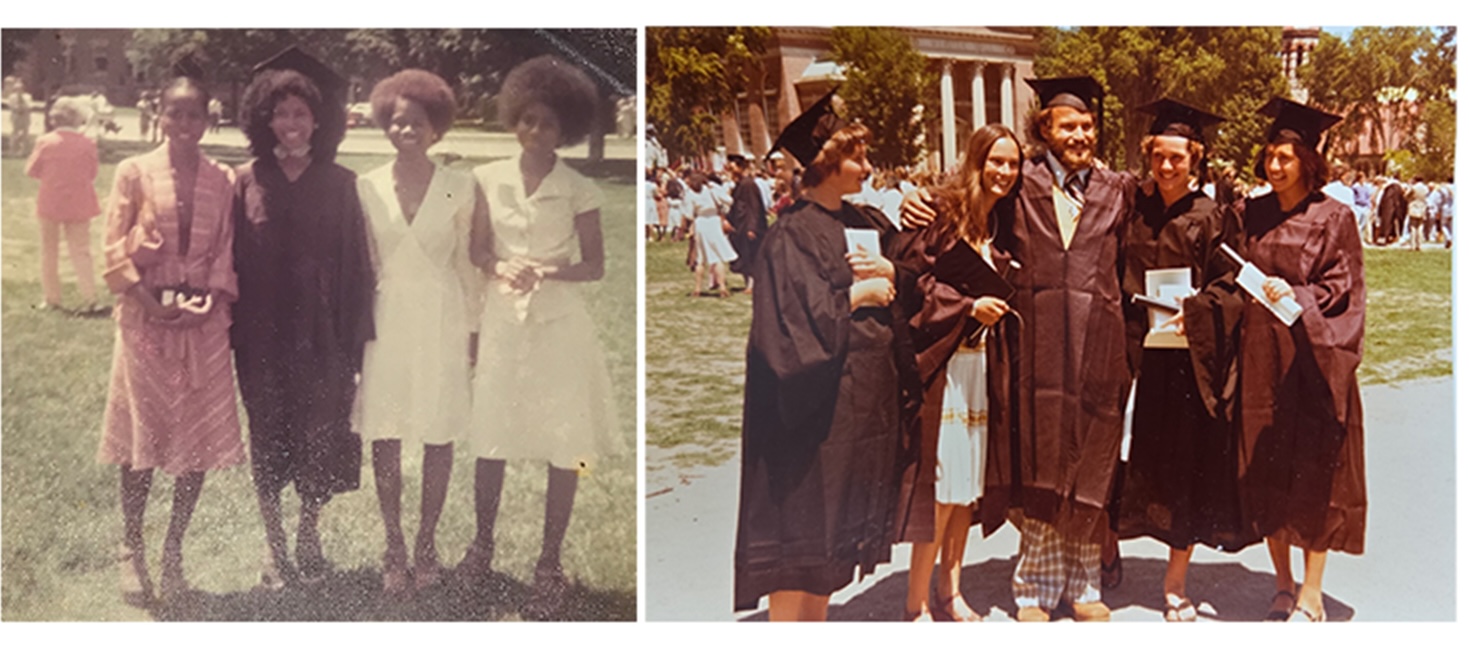
The College offered some solutions, such as the year-round Dartmouth Plan to extend access to campus housing and a vote of the trustees to bring the ratio of men to women from 12:1 in 1972 to 3:1 within four years.
Class president Naomi (Baline) Kleinman ’76 found support in her dorm: “I lived in the coed dorm Butterfield Hall, and all the men in the dorm supported us and looked after us. We could have never accomplished what we did if we weren’t in an environment that was supportive of who we were.”
Women at Dartmouth simply made sense for Rob Saltzman ’76. “There was tremendous pressure to be protective of what Dartmouth had always been,” he says. “That didn’t compute for me.” He’d attended a coed high school, and his mother was a college professor. His friendships with female classmates began during the bicycling part of his freshman trip.
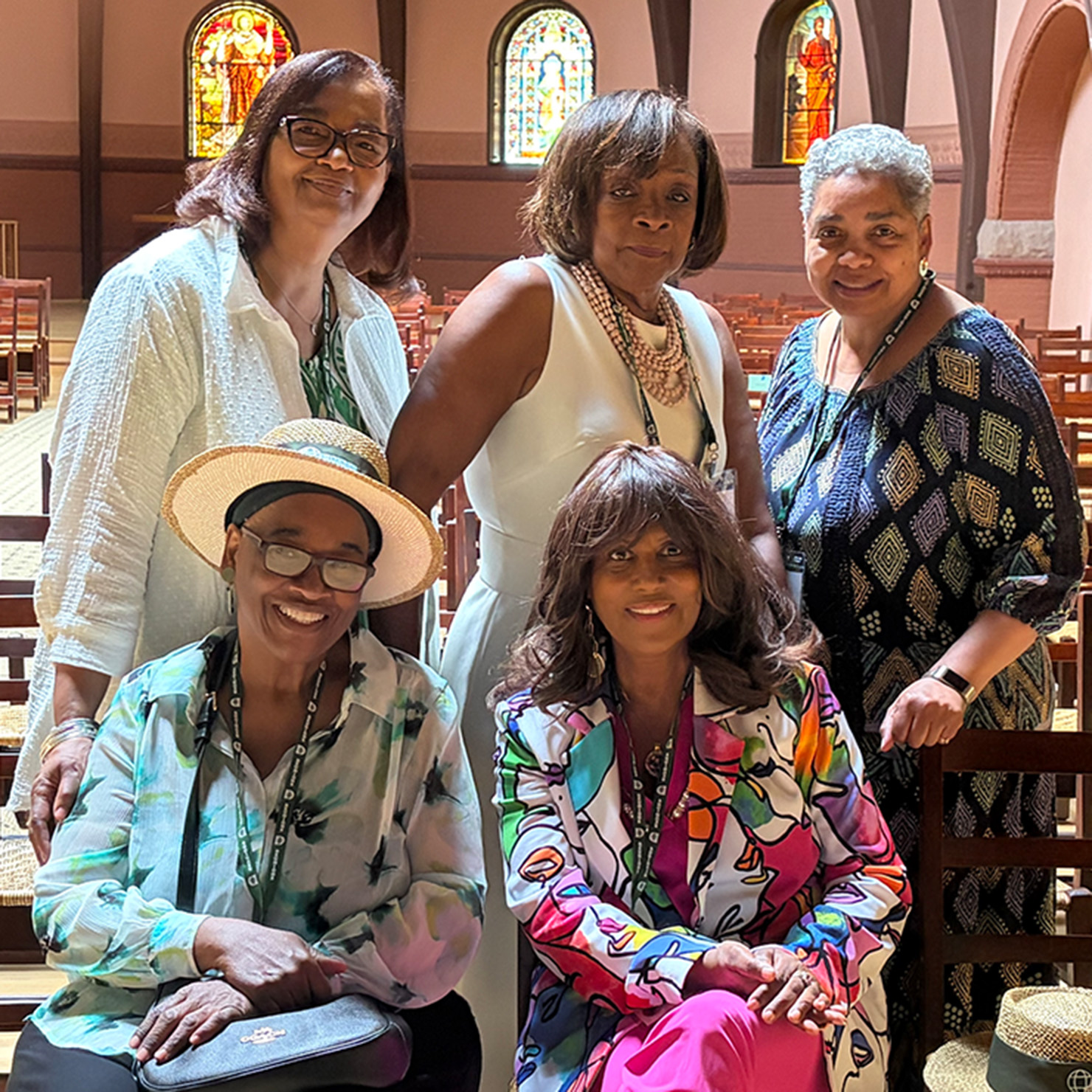
Ali, a history major, was one of roughly 25 Black women in her class. She found support from people who became like family. “History professor ‘Berky’ Nelson and his wife, Joan, were there for me,” she says. “That’s where my continued love of history comes from and what ultimately led me to major in it. We were a community within a community: a small African American community and an even smaller African American female community.”
We had morphed into a pretty confident class of women by our senior year, coming out of it with the feeling that this place was as much ours as it had ever been for any man.”
—Martha Johnson Beattie ’76
Not everyone arrived on campus with a welcoming or even open mindset. “There was a guy classmate who said to me, ‘Dartmouth was better before the women were here … because my father said so,’” recalls Nancy Kepes Jeton ’76, a geography and urban studies major from New York.
And then there were the horror stories: the misogynistic fraternity song that won the Hums competition, handwritten cards in the dining hall rating women as they walked in, men throwing burning underwear into the women’s dorms, letters slid under their doors informing them that they were dismantling two centuries of Dartmouth tradition by simply existing.
But the women persevered. “I just kind of held my nose and stepped over it,” says Martha Johnson Beattie ’76, who went on to become the College’s vice president of alumni relations. “We stayed under the radar and made our actions speak louder than words.”
The upside was that there was so much room for action. “If you wanted to start something, the answer was, ‘Go for it,’” says Jeton.
So they began building. Massachusetts native Sara Hoagland Hunter ’76, who was the first woman her admissions officer ever interviewed, teamed up with two musically inclined friends to create the first female a cappella group, the Dartmouth Distractions. They held auditions and, like all female-led efforts then, were encouraged by most, derided by some. The group ended up touring that spring with the all-male Dartmouth Aires.
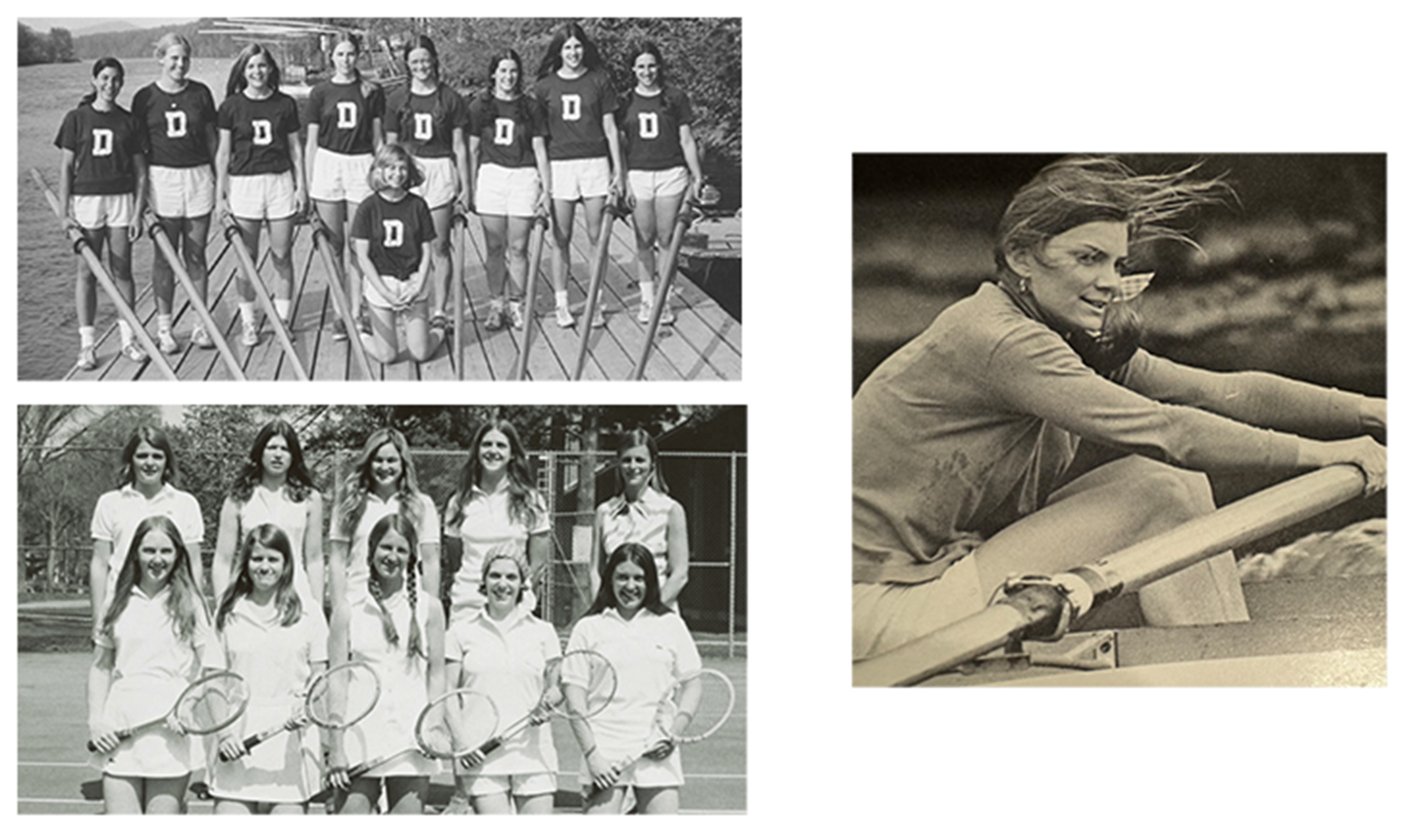
In athletics, former women’s squash coach Aggie Kurtz remembers joining the College for the chance to build the women’s athletic program from the ground up. Dartmouth gave the women the choice of receiving equipment or uniforms. “Of course, we chose equipment. We went down to the Coop and bought our own T-shirts, and we were the most motley-looking group,” says Hackett. Despite the odds, they excelled. Beattie became the first woman to join Dartmouth’s ski patrol and one of many women in the class who went on to break ground in the College’s athletics program.
Finding their social place was another challenge. “The social fabric was so built on the fraternities, and there wasn’t a place for women,” recalls Hunter. “I worked with [Vice President Ruth Adams] to get a place for women to go—like when your parents came on weekends—instead of just the North Mass common room, which was pretty bleak.” Saltzman was among those who pushed publicly for the change, writing to The Dartmouth in support of creating new spaces.
For most, the trepidations faded with time. Women rose to leadership roles, proved themselves in classrooms with excellent grades, and gained acceptance across campus life. “We had morphed into a pretty confident class of women by our senior year, coming out of it with the feeling that this place was as much ours as it had ever been for any man,” says Beattie.
Many of these women continued advocating for Dartmouth’s female student body long after graduation. Some were elected to the board of trustees (Hackett became the first alumna board member, followed by Jeton) and helped push through true gender parity, Title IX enforcement, and stronger support for women’s sports. Others have stayed involved as volunteers and coaches to current students or through groups such as Centennial Circle, an alumnae-led philanthropic society raising funds for Dartmouth Hall, Alumnae Hall, and financial aid.
In their lives, too, the women have carried the same fearless spirit forward—the ability to start things from scratch, defy norms and break glass ceilings, see the opportunity in diversity rather than fear it.
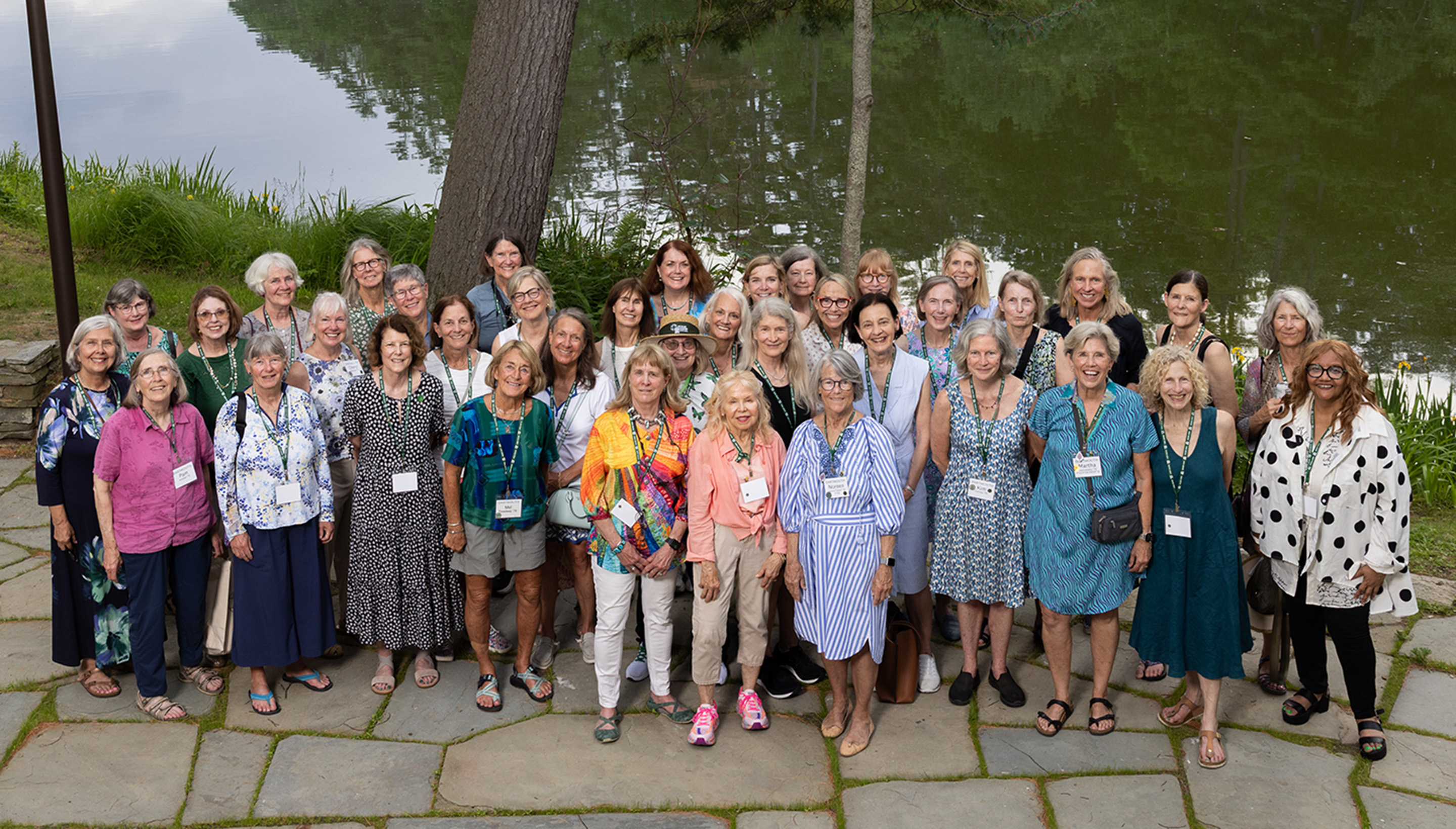
At this year’s reunion, the alumnae returned to a campus led by its first female president, Sian Beilock. The Distractions founded by Hunter joined the Aires and former members of the Glee Club to serenade the class at dinner with a set of old favorites. Coach Kurtz returned, too, catching up with players from the program they’d built together. And Sally Manuel, widow of Ralph Manuel ’58, Tu’59, who supported coeducation as dean of freshmen, reminisced with the students whose ambitions her husband had fully backed.
The women of 1976 also spent time with those of the class of 2026—and found much in common despite the years. “No matter when you came to Dartmouth, no matter from where, everybody feels it’s the greatest humbling process you could imagine,” Beattie reflects. “Everybody thinks everybody else is smarter than they are. And yet that’s not true. Each and every person who comes to Dartmouth deserves to be here—and everyone has something special to add.”
Asmaa Abdallah is a freelance writer and communications manager for the Hopkins Center for the Arts.