


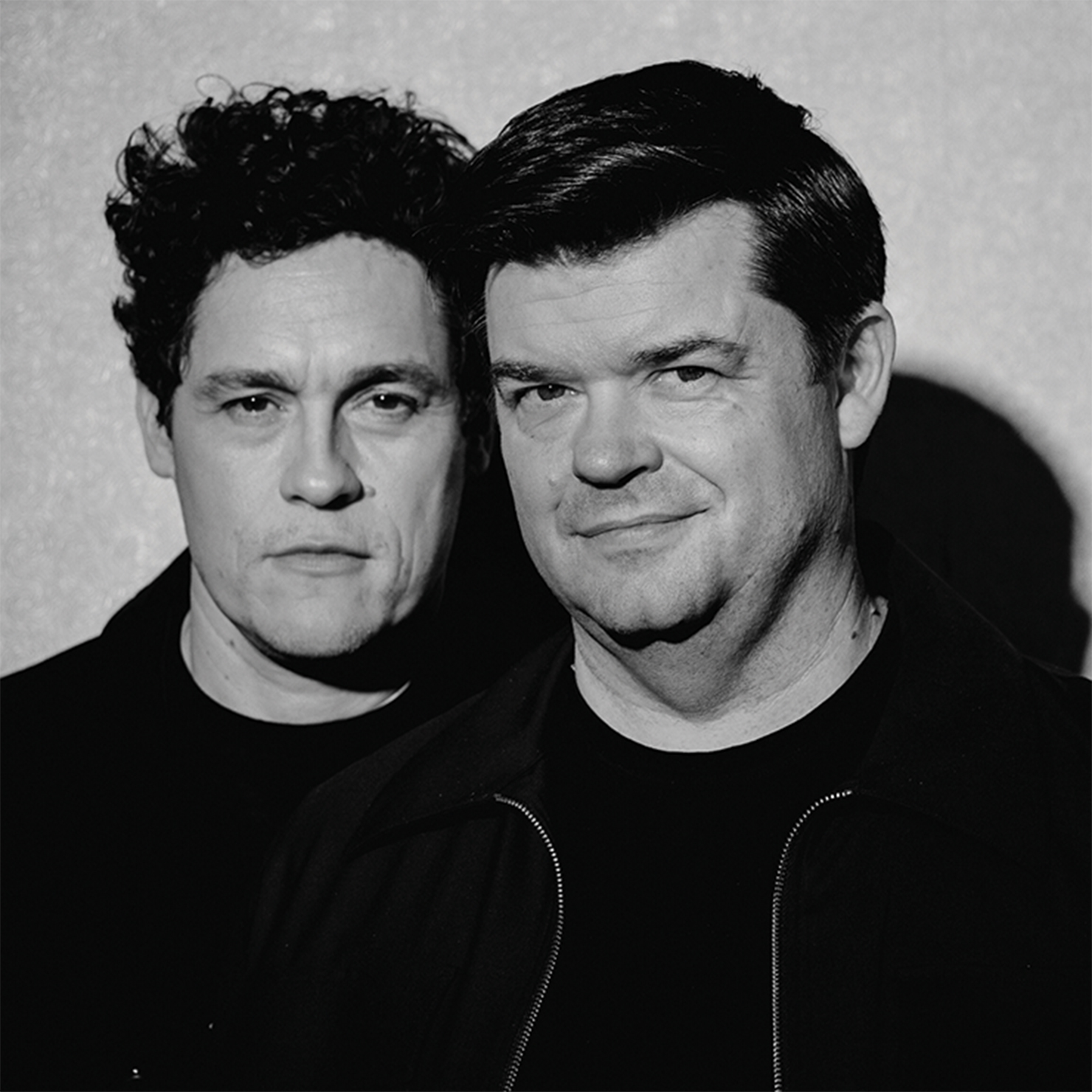
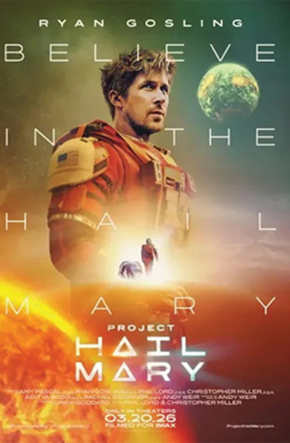
One weekend this April, two movies created by Dartmouth alumni dominated the American box office. Project Hail Mary, directed and produced by Phil Lord ’97 and Chris Miller ’97, racked up $285 million in U.S. ticket sales through April 19, making it the second-highest-grossing movie of the year so far. The science-fiction buddy movie stars Ryan Gosling as an astronaut seeking the source of a mysterious outer-space plague and a sentient pile of boulders as his alien collaborator.
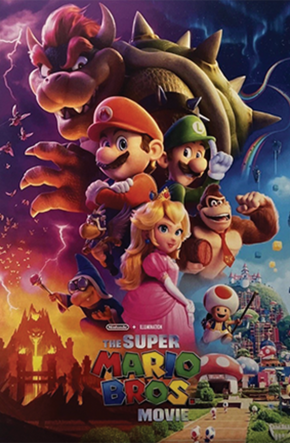
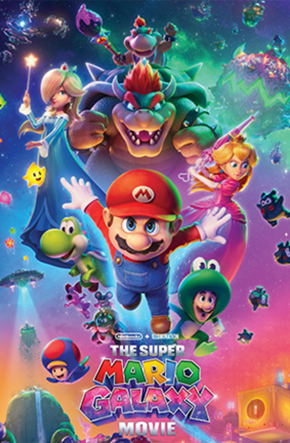
Even stronger was The Super Mario Galaxy Movie, produced by Chris Meledandri ’81, which pulled in $357 million to make it the nation’s most popular movie of 2026 so far. It’s also potentially the biggest hit ever from Meledandri’s independent animation studio, Illumination, if global ticket sales top the $1.4 billion taken in by The Super Mario Bros. Movie in 2023.

It’s an extraordinary showing by the smallest Ivy League college, but the Hanover-to-Hollywood diaspora has resulted in major hit movies from the days of silent cinema into the new millennium. Dartmouth alums have produced at least 20 movies that have generated at least $100 million (using 2026 dollars) in U.S. ticket sales. With Lord, Miller, and Meledandri at the height of their filmmaking games, we’re living in something of a golden age for Dartmouth at the movies.
The Project Hail Mary duo met while drawing comics for The Daily D as undergraduates. They edited the Jack-O-Lantern and worked on animated shorts together, then moved to Los Angeles shortly after graduation at the behest of then-Disney CEO Michael Eisner.
Three decades on, Project Hail Mary is only Lord and Miller’s latest blockbuster. As directors (the Jump Street films; The Lego Movie), writers (the critically acclaimed animated Spider-Man movies), and producers (Netflix’s The Mitchells vs. the Machines; the gloriously absurd Cocaine Bear), the two are sitting happily atop the Hollywood mountain with movies that have collectively earned more than $4 billion in worldwide ticket sales through the years.
Meledandri was active in the Dartmouth Film Society during his time in Hanover and landed in Los Angeles after graduation as an assistant on Footloose (1984). He quickly moved up the ranks to producer, executive producer, and president of 20th Century Fox Animation, which found success with the Ice Age series of family comedies.
In 2007, Meledandri left Fox to start Illumination, which in 2010 had its first box office hit with Despicable Me. That movie introduced the little yellow babblers known as the Minions to global pop culture, and subsequent sequels have made the Despicable Me-Minions franchise among the most successful in entertainment industry history. Factor in the Super Mario films and Illumination has taken its place as a major Hollywood powerhouse, with more than $10 billion in combined worldwide grosses.
Roopika Risam, chair of the College’s film and media studies department, says the trio’s accomplishments speak well of the creative environment on campus. “It’s exciting to see Dartmouth alumni at the center of major box office successes,” she says. “It reflects the kind of broad, critical, and creative training a liberal arts education can offer—preparing people to adapt and contribute in an industry that’s constantly evolving.”
Can Lord, Miller, and Meledandri be considered the all-time kings of the Dartmouth box office? It might be time to take stock of what our small, well-loved College has wrought in the big, bad movie industry. To wit: What are the most successful movies to which Dartmouth can lay claim?
Note: We omitted films by two important producers with Dartmouth ties in the print version and original digital version of this story. Read more here.
You’d think that would be an easy question to answer. Think again. Sifting through more than a century of box office numbers requires the combined skills of a historian, statistician, film critic, and Ph.D. in quantum mechanics. Websites such as Box Office Mojo report current theatrical data in granular specificity, but the further back in time one goes, the funkier the numbers get. In the silent era, film rental fees rather than ticket sales were tallied, capturing only a fraction of the revenue generated. Furthermore, when you consider inflation—a movie ticket in the 1920s was just 15 cents—it’s not apples and oranges we’re dealing with. It’s apples and oranges and pomegranates and bowling balls.
Let’s take a crack at it anyway. Buckle up: There will be math—and a few surprises. (For the purposes of this article, only U.S. ticket sales will be considered; otherwise, things get messy.)
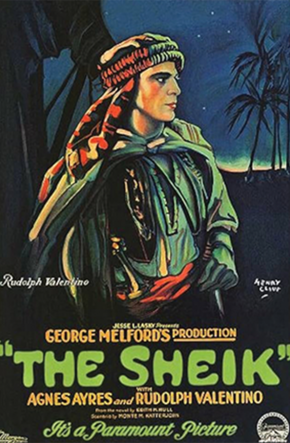
Arguably, the first Dartmouth-related blockbuster was the 1921 silent The Sheik, a tempestuous—and, 100 years later, remarkably silly—desert drama that unleashed Rudolph Valentino upon the world as a swaggering Arab chieftain who lures costar Agnes Ayres to a fate worse than death. The original source novel was discovered and promoted within the halls of Paramount Pictures by Walter Wanger, class of 1915, then a young film executive with a storied career ahead of him as a Hollywood maverick. (We’ll hear more about him later.) The box office figure that has come down to us is a tidy $1.5 million—$27 million in 2026 dollars—which puts The Sheik within the Top 20 of the silent era but far short of the $10 million earned by the period’s box office champ, the highly controversial The Birth of a Nation (1915). It’s also well short of the nine-figure box offices that major films would generate as Hollywood’s power—and ticket prices—grew.
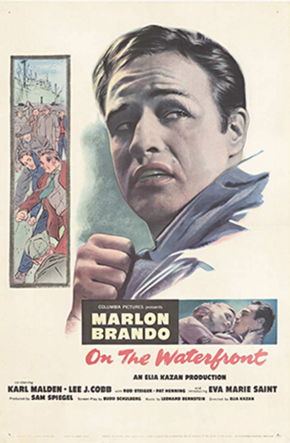
Thirty-three years later, the movie at the top of everyone’s must-see list was the 1954 New York City dockworker drama On the Waterfront, starring Marlon Brando and featuring a script written by Budd Schulberg ’36. Both men won Oscars—two of the film’s eight—and although reported figures vary, the consensus is that Waterfront made $9.6 million in theaters, which is $116 million in today’s money. That was good business, but nothing compared to what was coming over the horizon.
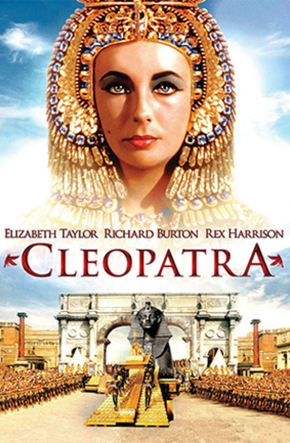
Whether the troubled epic Cleopatra (1963) can be attributed to Walter Wanger is a matter of argument: Almost 50 years after The Sheik, the producer was the primary force in getting the new film in gear and hiring Elizabeth Taylor and Richard Burton as the leads before runaway costs almost bankrupted 20th Century Fox and got Wanger fired from the production. But let’s give him the credit: After three years of filming and months of the Taylor-Burton romance dominating the headlines, everyone had to see the movie, and Cleopatra wound up making a massive $58 million in U.S. theaters, or $617 million in today’s dollars. More dramatically, that $58 million represents 68 million tickets sold—or a third of America’s entire population. Only one other Dartmouth-related movie—the next one—has pulled in more of the country.
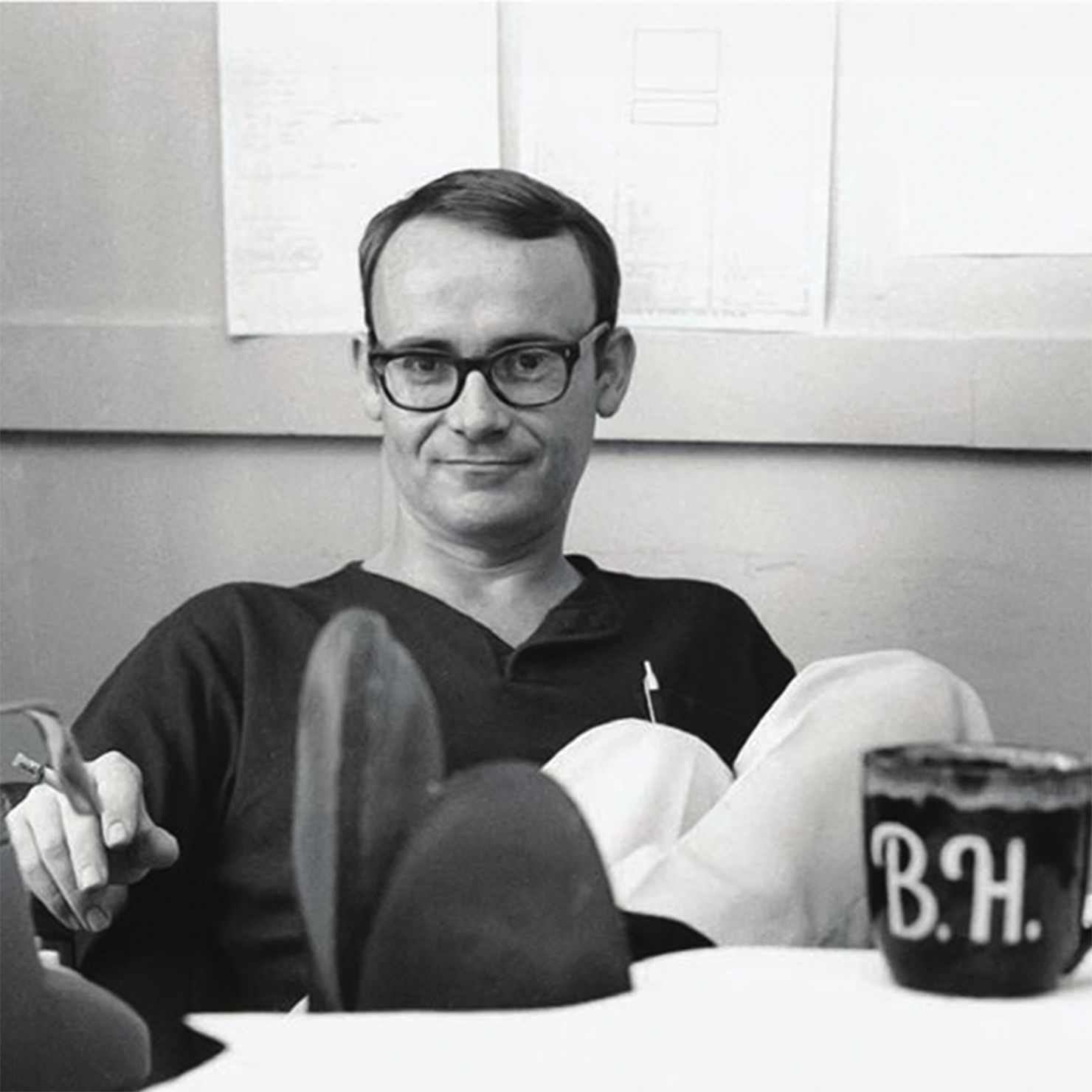
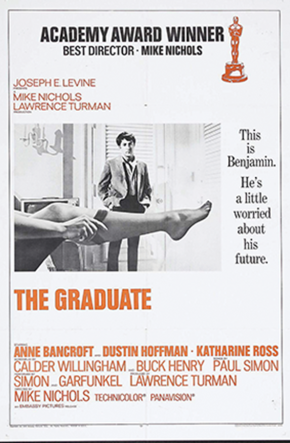
“Plastics.” Need I say anything more? The screenplay for The Graduate (1967) was written by Buck Henry (Zuckerman) ’52 and included that deadly, one-word bit of advice given to young Benjamin Braddock (Dustin Hoffman). Henry said it was inspired by a Dartmouth professor who was particularly critical of the American way of life. The Mike Nichols film was one of the first to speak directly to the counterculture generation, and the hero’s adulterous affair with Mrs. Robinson (Anne Bancroft) pulled in plenty of their parents, too, for a stunning $104-million haul that put the film atop the year’s releases. That number translates to more than $1 billion in domestic ticket sales today. The 87 million tickets sold represent 44 percent, or nearly half, of America’s population. That’s a hit movie.
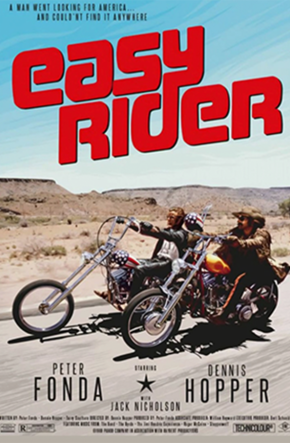
By contrast, the druggy hippie-biker classic Easy Rider made “only” $42 million in U.S. theaters when it was released in 1969—$372 million in today’s money—but it cost less than half a million to make and made supporting actor Jack Nicholson an overnight star (after a decade of trying). It also turned the power structure of Hollywood on its ear by showing the buying strength of the under-30 audience, leaving an outsized footprint on film and pop culture history. On top of that, its success allowed producer Bob Rafelson ’54 to direct Nicholson in Five Easy Pieces (1970), quite possibly the best movie ever made by a Dartmouth grad.
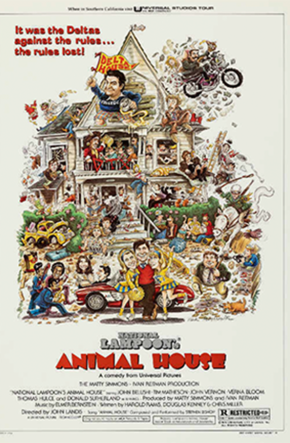
The next blockbuster out of Hanover was the 1978 National Lampoon’s Animal House, a zeitgeist hit that left a wake of toga parties in every college town it played and came in second place for the year behind Grease with $120 million in domestic grosses ($602 million in 2026 dollars). Cowriter Chris Miller ’63—no relation to the Project Hail Mary director—based his part of the script on raucous experiences at the now-shuttered Alpha Delta fraternity. If you go by the numbers, nearly one-quarter of the country bought tickets for Animal House—though Miller recalled in a 1989 DAM article that “people who liked [the movie] didn’t just see it once, they went 10 or 20 times,” so maybe it was just the same 5 percent going over and over again.
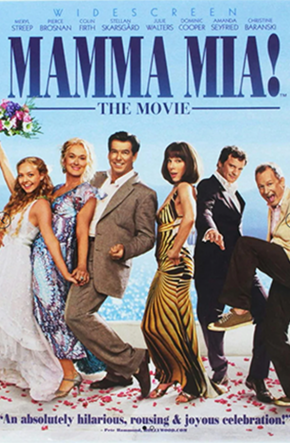
Meryl Streep, a visiting student in 1970 and honorary degree recipient in 1981, was on the Hanover campus for only one summer as a transfer from Vassar in the Hopkins Center drama department, but that’s enough to claim her as one of our own, yes? I thought so. Which allows us to include the star’s top-grossing movie, Mamma Mia!, in our roster of Hanover hits, with a stellar $144 million in 2008 ticket sales ($221 million today) and an even more impressive worldwide haul of $610 million ($935 million today).
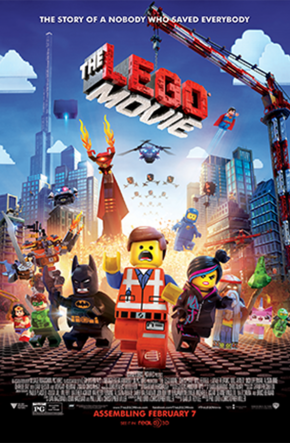
With Lord and Miller’s The Lego Movie (2014)—$258 million at the U.S. box office, or $356 million adjusted for inflation—the modern multiplex era of global domination is fully upon us. The film is based on a toy brand that, through its directors’ wit and creativity, works as a dazzling comic entertainment. The aftermarkets of home video and video-on-demand complicate calculations of the total U.S. revenue, but as hefty as the domestic returns were for The Lego Movie, its worldwide total in movie theaters was almost twice as big. More than ever, Hollywood looks overseas for its profits.
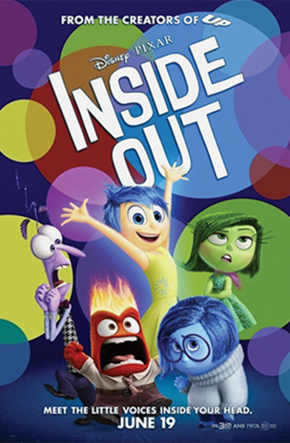
Take Inside Out, the 2015 Pixar hit to which Mindy Kaling ’01 lent her dulcet tones as the emotion-based character Disgust. The movie raked in $491 million in 2026 dollars in the United States, but more than twice as much internationally—$1.2 billion, adjusted for inflation.
However, few moviemakers have flourished more in the multiplex era than Chris Meledandri and Illumination. By late April, the studio’s latest release, The Super Mario Galaxy Movie, was looking to outgross its predecessor, The Super Mario Bros. Movie, continuing a parade of eight films that each collected at least $250 million in the United States alone—and much more in the global market.
Clearly, the granite of New Hampshire continues to represent a rich vein of modern Hollywood profits.
Still, when you compare the success of all these blockbusters with an American audience, one movie stands at the pinnacle nearly 60 years after its release. The $1,023,820,927 adjusted U.S. gross for The Graduate makes it far and away the most successful movie to ever come out of the Hanover Plain—a generational hit, a great film, and a story that speaks fittingly to the anxieties and discontents of the postcollege experience.
Maybe plastics are good for something after all.
More Dartmouth Blockbusters
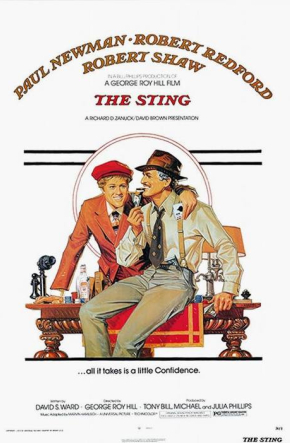
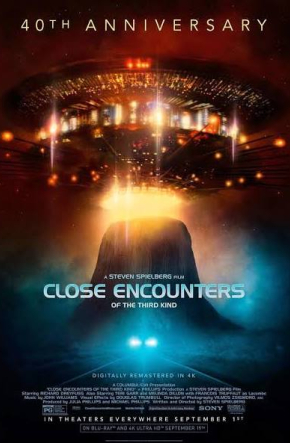
Update 7/7/2026: In our eagerness to celebrate blockbuster movies created by alumni, we omitted films by two important producers with Dartmouth ties in both the print and online versions of this story. Michael Phillips ’65 produced The Sting starring Robert Redford and Paul Newman in 1973. The film grossed $159.6 million in the United States alone, and won him the Academy Award for Best Picture that year. Phillips also produced Stephen Spielberg’s mega-hit Close Encounters of the Third Kind, which earned $169.1 million in the United States in 1977. Adjusted for inflation, The Sting earned more than Buck Henry’s The Graduate, making it the most lucrative Dartmouth-connected movie ever.
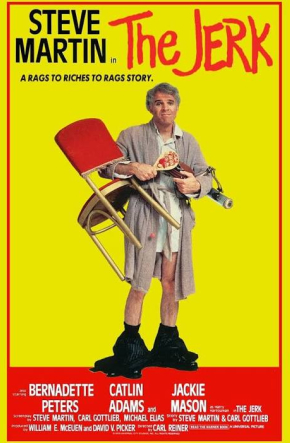
We also omitted films by David V. Picker ’53, who produced Steve Martin’s The Jerk in 1979, grossing $73.6 million in U.S. box office.
We have apologized to Phillips for leaving his blockbusters out of our story. Sadly, Picker died in 2019. We regret the omissions of their remarkable work from our list.
Some of the Top-Grossing Movies with a Dartmouth Connection
(Based on U.S. ticket sales, 2026 dollars. List is not comprehensive. Several animated films from Meledandri’s studio Illumination also took in more than $300 million each. This chart has been updated to include movies that were previously overlooked.)
Ty Burr, film critic and author of the newsletter Ty Burr’s Watch List, is a frequent contributor. He wrote “As Ever Your Best Friend” [January/February] and “America’s First Civil War” [November/December 2025].