


If they make the team, these athletes will head to Italy from February 6 to 22 to compete against the world’s best.
AJ HURT ’23
- Slalom, giant slalom
- Carnelian Bay, California
- Major: Engineering
- 2022 Olympic team; 2024 World Cup (Slovenia), 3rd place, slalom; 2024 World Cup (Andorra), 3rd place, giant slalom; three-time U.S. Alpine champion
When I started: I grew up in the mountains of Lake Tahoe. I began downhill skiing at around 2 years old. My father is on ski patrol at Palisades Tahoe and that made it easy to be on the mountain a lot. It always felt like home to me.
How Dartmouth shaped my skiing career: I love skiing so much, but I also love learning and school. Dartmouth’s four-term system has allowed me the flexibility to continue my education while I pursue my passion of ski racing. Every professor and advisor I have had at Dartmouth has supported me in my pursuits, and for that I am so appreciative.
What I hope to accomplish: I hope to continue ski racing for as long as possible. When that career is over, I will begin a career in the field of electrical or mechanical engineering.
Toughest part about training: Dry land training. I love playing games and sports, but the monotony of lifting weights or riding on an exercise bike is not my favorite thing. As far as ski training goes, I love it!
Most exciting highlight in my career: When I podiumed in grand slalom and slalom. I’m most proud of: Those podiums. And I am very proud of making the Olympic team of 2022. How I deal with jitters: I try to keep it light and fun. When everything is so serious, it can make the jitters worse for me.
My superstitions: I think that I will, superstitiously, not discuss my superstitions! What I love most about skiing: I love the rhythm of skiing, both on and off the course. It is a very free feeling.
SAM “MOOSE” MORSE ’20
- Downhill, super-G
- Park City, Utah
- Major: Mechanical Engineering
- 2017 world juniors downhill champion; World Cups, two Top 10 and eight Top 20 finishes
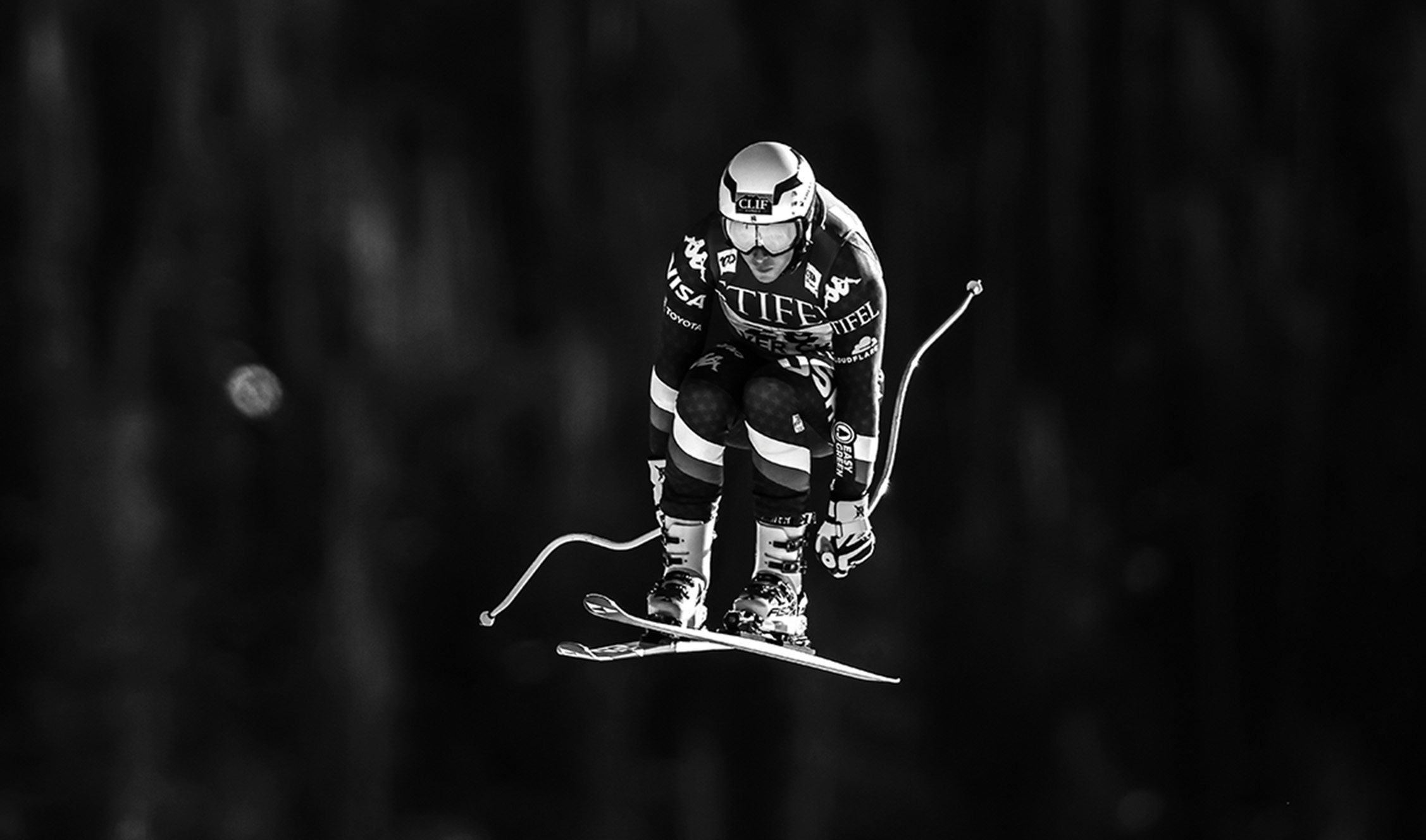
How I started: I grew up at Sugarloaf ski resort in Maine, where my parents worked. All my friends ski raced. My brother ski raced. We went to a ski academy, so we’d ski every single day and then did school in the afternoon.
What I love about skiing: You have this wide-open slope in front of you, and it just feels really freeing. The better you get at it, the longer you do it, the stronger you are, the more things you can do, the faster you can go, the bigger turns you can make. You always want to try to find your own glass ceiling. Seeing what I’m capable of motivates me.
How Dartmouth shaped my skiing career: The whole term system—without it, a lot of us just wouldn’t go to college. I get to finish up a season in March, then, good or bad, I go to Dartmouth and study for 10 weeks and don’t have to talk to anybody about ski racing. It’s a brilliant break from that world, a good change of scenery. It’s really hard to jump back in with the brainiacs of the world, but it challenges my brain in a different way.
How I deal with jitters: I try not to bury that energy. I try to use it. You make a plan of what your route down the hill will be. I boil that down to a couple technical focuses that I turn into kind of a mantra—two or three words that can be as simple as “forward” and “downhill hand” or “forward and aggressive” or “catch the turn early.” I try to focus on what I need to do to execute X, Y, and Z.
If I make the team, the most challenging part will be: Obviously, a lot more eyes and a lot more pressure. This would be my first Olympics, so I would just be super grateful to be there. I don’t think it would be that much harder than the World Cup tour as that is such a grind. The Olympics are in February, later than a lot of our races, so it’s more in the sun. Also, the fields aren’t as big. Each nation can start only up to four people; in the World Cup, we could have 10 guys racing from each country. That changes the whole vibe.
TRICIA MANGAN ’19
- Super-G, downhill, giant slalom, and super combined
- Buffalo, New York
- Major: Mechanical Engineering
- 2022 Olympic team, 11th in super combined; 2018 Olympic team, 9th in mixed team; 2023 world championships, 23rd in downhill
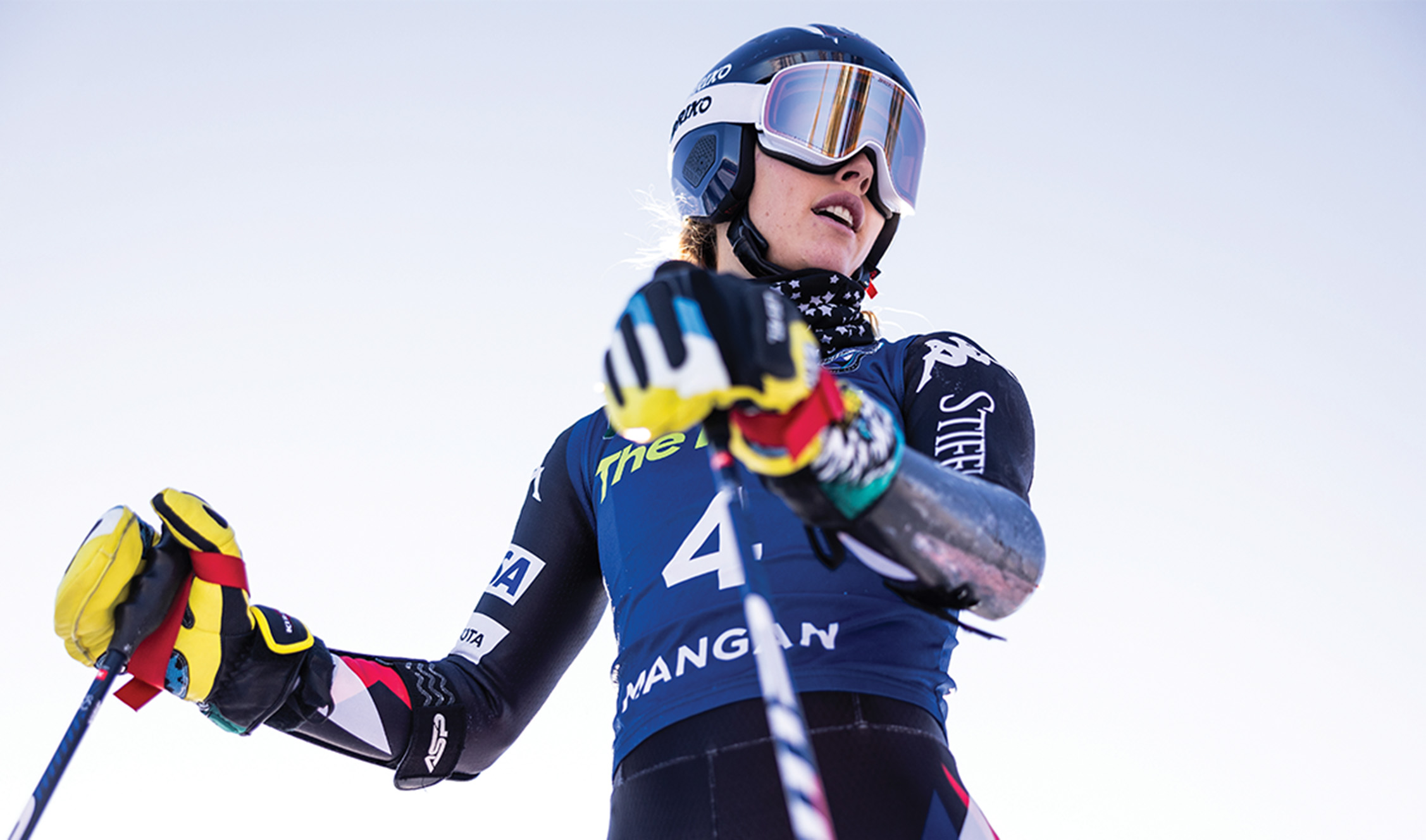
How I started: I grew up on a very small hill in New York and started when I was 2. I ski raced with all my siblings. I never dreamed about the Olympics. I just was incredibly competitive and didn’t like when my twin brother beat me. It was never a crazy dream. It was more just trying to get faster every year.
How Dartmouth shaped my skiing career: I was cut from the U.S. Ski Team after my first Olympics, so I skied for Dartmouth for two years and then raced as an independent athlete. Then I qualified for my second Olympics. Then a year later, I requalified for the U.S. Ski Team. It was a very all-over path, but I am so thankful for my time at Dartmouth. After that, I felt like, “OK, I have my college degree. I still absolutely love ski racing. I’m going to commit 100 percent to this.” That’s where I am now.
What I hope to accomplish: To have my best World Cup season, be good enough to qualify for the Olympics, and perform to my very best potential there. This is the most competitive the U.S. has ever been for Alpine skiing in my career. On the women’s side, our team is absolutely crushing it, which is so awesome and exciting, but it also makes qualifying really hard.
My two previous Olympic experiences: My first, I was very young, the very last alternate—literally named to the team three days before opening ceremonies. I felt I didn’t deserve to be there, even though I’d had my best World Cup results. I was so excited, but when I got there it was just stress, stress, stress. But the opening ceremonies were so unbelievably special. Then in Beijing, the opening ceremony was intense. You wait for a long time with the other athletes and can’t really see what’s happening in the stadium until you walk through the door. It feels like this big moment all at once.
How I deal with jitters: Sometimes, I get too excited too early, which uses a lot of energy. I use music to calm my mind, where I’m very focused, not distracted. I need to be in this really hyped-up state in the gate, but if it happens too early, it’s exhausting.
What I love most about skiing: Racing. It’s the intensity, the pressure. It’s amazing. I have not felt that way in anything else I’ve ever done.
KYLE NEGOMIR ’23
Downhill, super-G
Littleton, Colorado
Major: Biomedical Engineering
2023 and 2024 World Cups, competed in super-G and downhill;
2023 world championships, 17th place, super-G
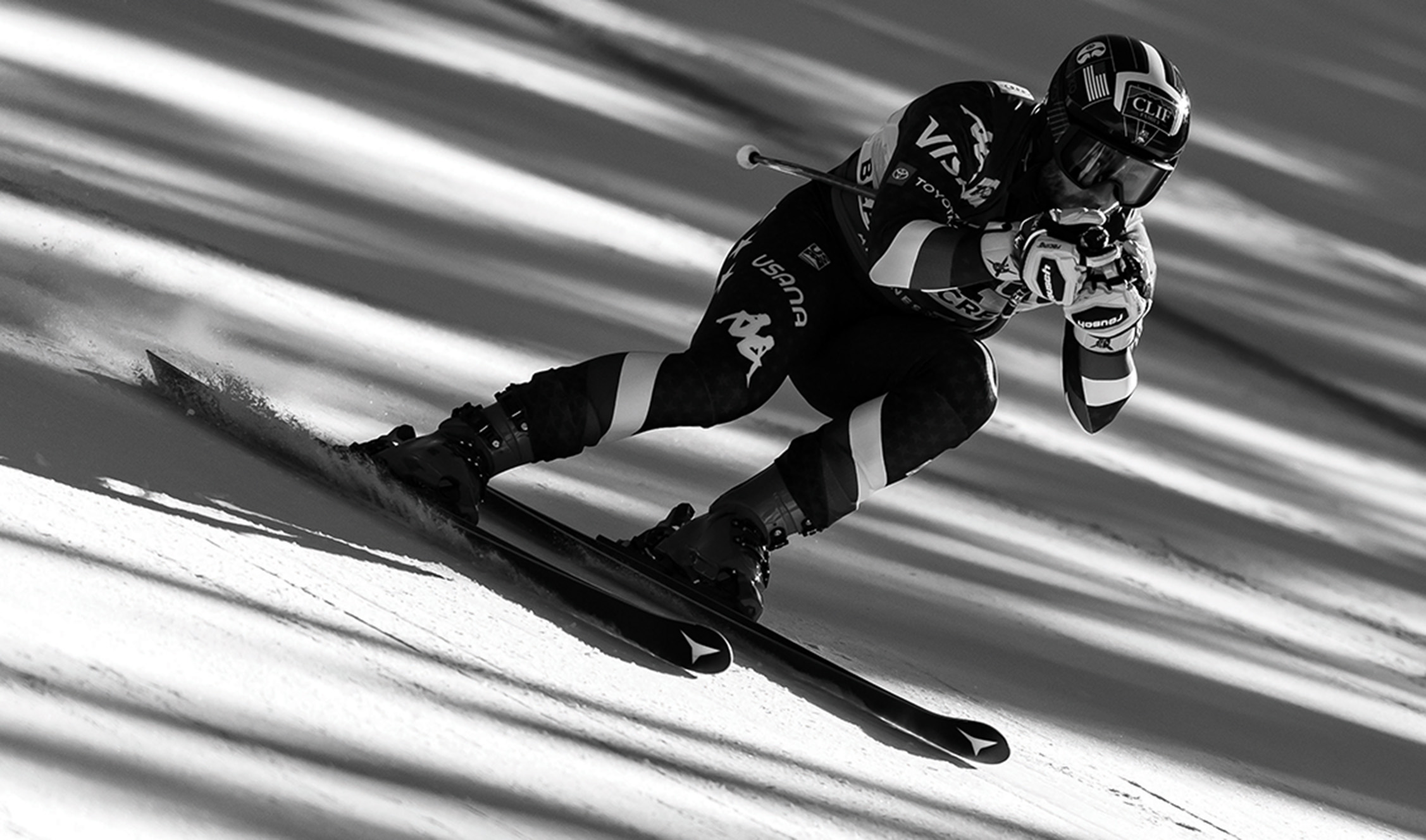
When I started: I was a year and a half old. About as early as I could walk, my parents put me on skis.
How Dartmouth shaped my skiing career: Being afforded the freedom and flexibility to pursue what I love doing and have a career doing it—and still get an education—that really does help my skiing. I consider myself incredibly fortunate that the school is willing to work around this hectic schedule and let us keep chipping away at it. There’s a long life after skiing, and I want to be able to do other really hard things intellectually.
What I’m most proud of: Skiing’s an expensive sport. My parents sacrificed a lot to help me get here. When I first made the national team, I was finally able to get enough sponsorships and fundraising to take that burden off them and support my own dream.
What I love about skiing: Being able to dedicate 100 percent to try to be the best in the world at something. It’s super special to shape essentially my whole life around pursuing this one goal that’s almost impossible. Fortunately for me, I get to do it with my best friends in cool parts of the world. I try to not ever take that for granted.
Toughest part about training: Navigating injuries. When I started breaking in as a professional, I crashed and tore a couple of ligaments in my knee and shoulder, broke every bone through my hand, and wasn’t able to ski race again for two and a half years. Spending years on the sidelines, it is mentally draining to keep believing in yourself when you don’t know if you’re going to get a chance to do it again. That makes it more rewarding when it does happen.
How I deal with jitters: Everyone gets nervous. I think if you’re not, that means you don’t care about it. The more you deal with it, the more you’re able to control that side of your nervous system. No magic tricks. I’m still figuring it out.
What I hope to accomplish: I’d like to be there supporting my country. It’s one race where you don’t have any season-long standings or consistency to worry about, so you can really go for broke. That’s the beauty of it. You can take a lot of risks and put everything on the line to chase that medal. It’s kind of medal or bust. I think that has to be the mindset going in.
TANGUY NEF ’20
- Slalom and team combined
- Geneva, Switzerland
- Major: Computer Science modified with Economics
- 2025 World Cup, 8th place, slalom; 2025 FIS World Ski Championships, silver medal, team combined; two-time NCAA individual champion, giant slalom and slalom
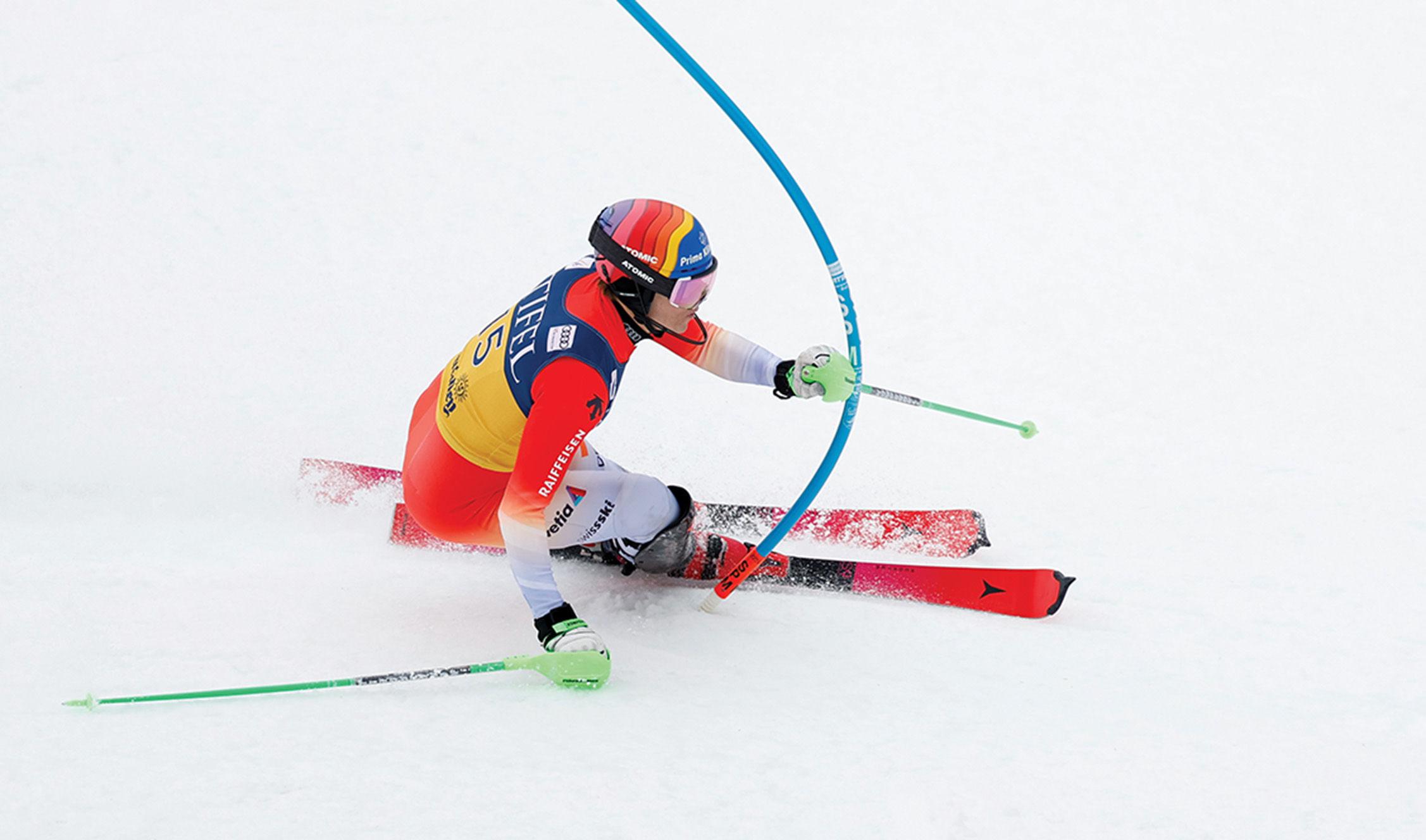
When I started: I was 2 when my mom put me on skis. I went to a special sports high school in Switzerland. I was over skiing at that point, so I decided to exile myself to North America.
How Dartmouth shaped my skiing career: I met incredible people, made friends for life, and had incredible memories throughout my three years competing with the team there. That shaped regaining motivation and my eventual path to the World Cup. I got along well with the coach back in the day, Peter Dodge. The team atmosphere and being on campus gave me a lot of perspective on my skiing career. It was a really good place for finding myself as an athlete. My first World Cup was in 2018—after skiing at Dartmouth for two years. And that season, 2018-19, I did both the World Cup and carnivals and NCAAs. That was intense between the travel and workload, skiing for Dartmouth and for the Swiss team. I was kind of on autopilot. Looking back, that was too much—but it was still an important step in my career.
How my career is going: I’ve been struggling to find my way up to the World Cup in the seasons since 2020. Finally, this past year has been really good, and I’m jammed for the Olympics. I’m basically the No. 2 Swiss in the slalom squad right now, so the odds are looking good. I’m aiming for a medal.
What I enjoy most about skiing: I grew up in the mountains and appreciate the freedom they give you—the feeling of gliding and just going anywhere you want. What has transformed into my professional career was this quest of trying to improve every day, getting to know my limits, and pushing those boundaries every day.
If I make the team, the most challenging part will be: The mind game. The expectations you put on yourself can be hard to deal with. That’s something I’ve been trying to work myself around.
NINA O’BRIEN ’20
- Giant slalom, slalom, super-G
- Denver
- Major: Economics
- 2022 Olympic team; started this season ranked 11th in the world in giant slalom; 2024 World Cup, 6th place, giant slalom; 2023 world championships, gold medal in slalom/mixed team
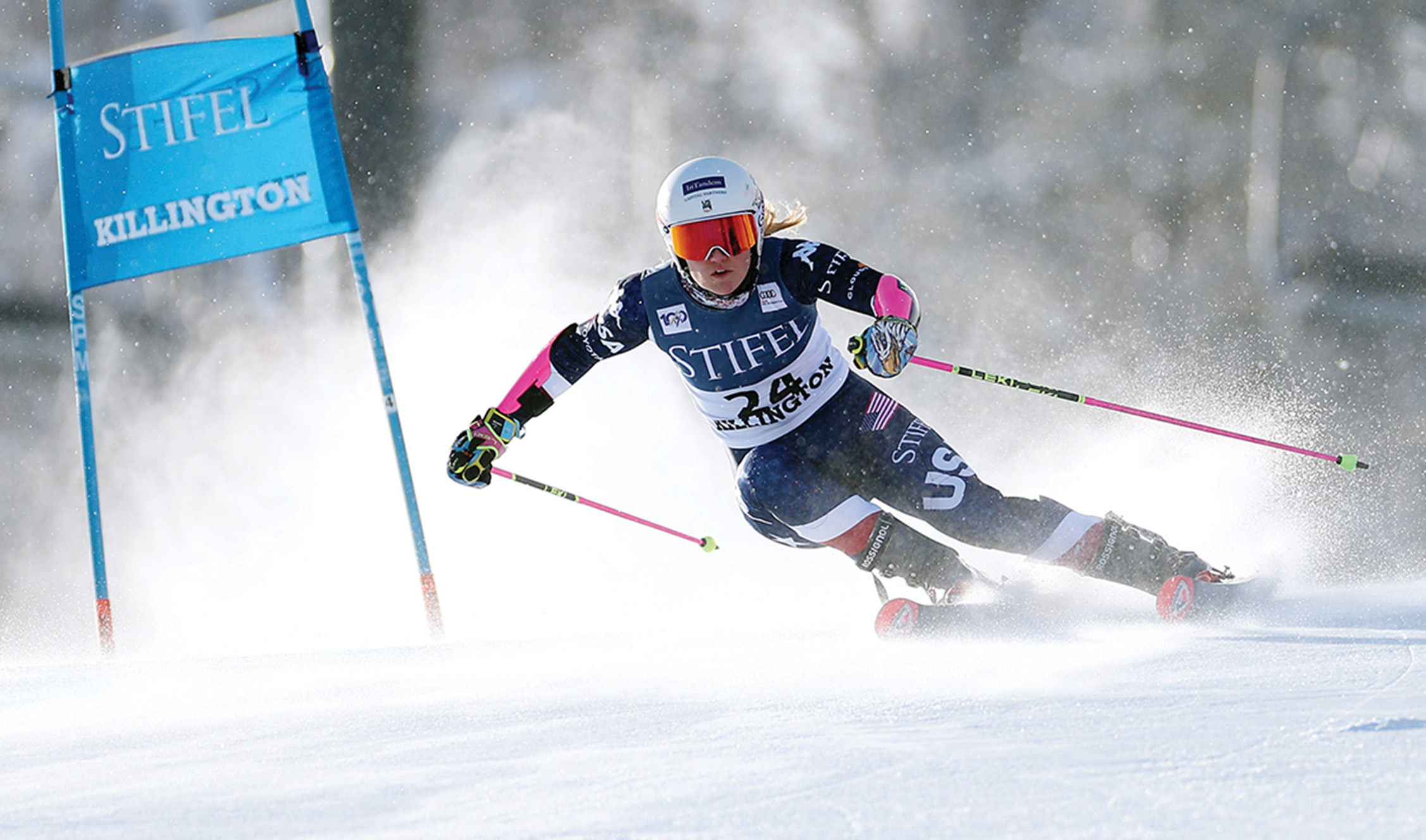
How I started: I grew up in San Francisco. Neither of my parents were ski racers, but they wanted all of us kids to know how to ski as a life skill. We would drive to Tahoe every weekend—four kids and two dogs. I eventually went to Burke Mountain Academy in Vermont, which is a ski racing school. From there, I started to take things more seriously.
How Dartmouth shaped my skiing career: It felt like this perfect blend of high-level academics, athletics, and a beautiful place where I would love to spend four years—not knowing that it would ultimately turn into seven and a half. I never actually competed for Dartmouth, but while I was there, the ski team was this instant family when I showed up in the spring or summer.
What I hope to accomplish: A big goal is to be at the Olympics, not just to participate, but really to be a contender to fight for one of the top spots or medals.
Toughest part about training: Four years ago, at the 2022 Olympics in Beijing, I was feeling strong and skiing fast. I had a really good first run; at the very end of my second run, I crashed and broke my leg. About a year and a half later, I broke that leg a second time. I’d had this momentum and had to hit pause and fight through some of these injuries, but I feel really good right now.
Highlight from 2022 Olympics: The biggest pinch-me moment was walking into the opening ceremonies—just being in this crowd of all the Team USA athletes. Before we walked out, everyone was chanting “U.S.A.” Then, finally stepping out onto the center of this stadium, you look up and see the Olympic rings above you.
How I deal with jitters: I try to take a moment to pause before I kick out of the start gate and just look up at whatever view is there to distract myself in the minute before I’m about to start.
My superstitions: I try not to be too superstitious but there are certain neck warmers and ski socks that I just feel have good mojo.
Read more:
MORE CONTENDERS
Four Olympic hopefuls pursue their winter dreams.
CHASING GLORY
Hoping for an Olympic breakthrough, three cross-country stars have a chance to end Dartmouth’s 100-year medal drought in Nordic skiing.