There’s been a murder in Ravenswood Bluff. Blood drips off the clocktower in the Town Square. Who is responsible?
So begins a captivating social deduction board game that Mercado stumbled upon during the pandemic. An acquaintance needed another player and asked her to join.
“I was like, ‘Okay, fine, I’ll do it.’ She’s like, ‘Great, thank you so much! So, you’re the Demon and here’s how it works. …’ I was like, oh my God, what have I gotten myself into?”
The Demon assumes the role of master manipulator. If you have ever played Werewolf or Mafia or watched the hit NBC show The Traitors, you’ll be familiar with the basic concept. There are good characters and evil characters. Evil characters work together to commit murders. You must figure out who is lying and who is being truthful.
Blood on the Clocktower builds off this premise and complicates it. Some characters have special abilities. Sometimes your character may become “drunk” and receive incorrect information. There are infinite combinations of scenarios that can play out, all directed by the Storyteller, who oversees the game. During “days,” characters talk with one another, and during “nights,” characters receive special information from the Storyteller in private conversations. Through a voting process, the good team wins if it can correctly identify and kill the Demon. The Demon wins if it decimates the population of good Townsfolk.
The game received initial support from a Kickstarter campaign in March 2019, raising $573,621—nearly nine times its funding goal. It was released in May 2022 and by January 2024, it was the top-ranked party game on BoardGameGeek, an online community for game enthusiasts. Clocktower has been officially translated into several languages, and 100,000 copies have been sold worldwide.
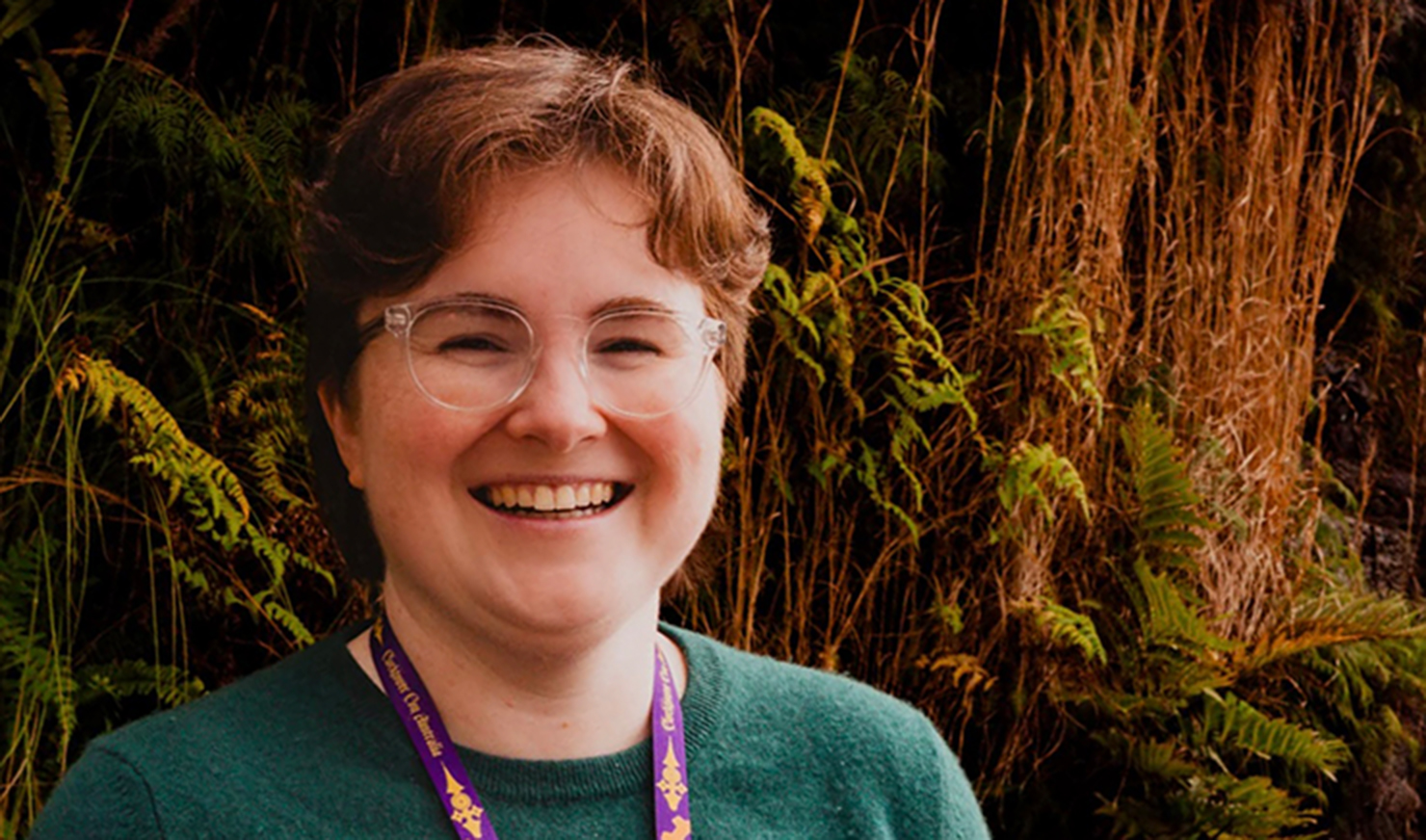
After her initial game, Mercado was hooked. She started playing frequently and volunteered for the game at a convention called SHUX in Vancouver, Canada. There, she met a Clocktower cofounder who offered her a job with the game’s publisher, The Pandemonium Institute. In 2024, she packed her bags and moved to Australia, where the game was founded. Her LinkedIn bio reads “Professional nerd.” When playing Clocktower, she goes by “Jams.”
Thoughtful Game Design
Mercado explains that some people love the logical “puzzle side of things.” They analyze the information and try to piece together facts in an organized manner.
Then there are players most interested in the social aspect of the game who look at body language and social cues. Mercado says these players observe the way others are voting and ruminate on whether actions line up with words.
She believes board games in general tend to “attract people who are all over the spectrum of neurodiversity,” and Clocktower has “become almost a haven for people who crave more structure in their social interaction, because it’s basically saying, hey, here’s an environment where you can be really social but there are concrete rules that everyone knows and is able to follow.”
Her favorite good character is the High Priestess, “a really elegant character.” The Storyteller informs the High Priestess each night which player they should talk with the next day. This guidance from the Storyteller can be useful for the good team.
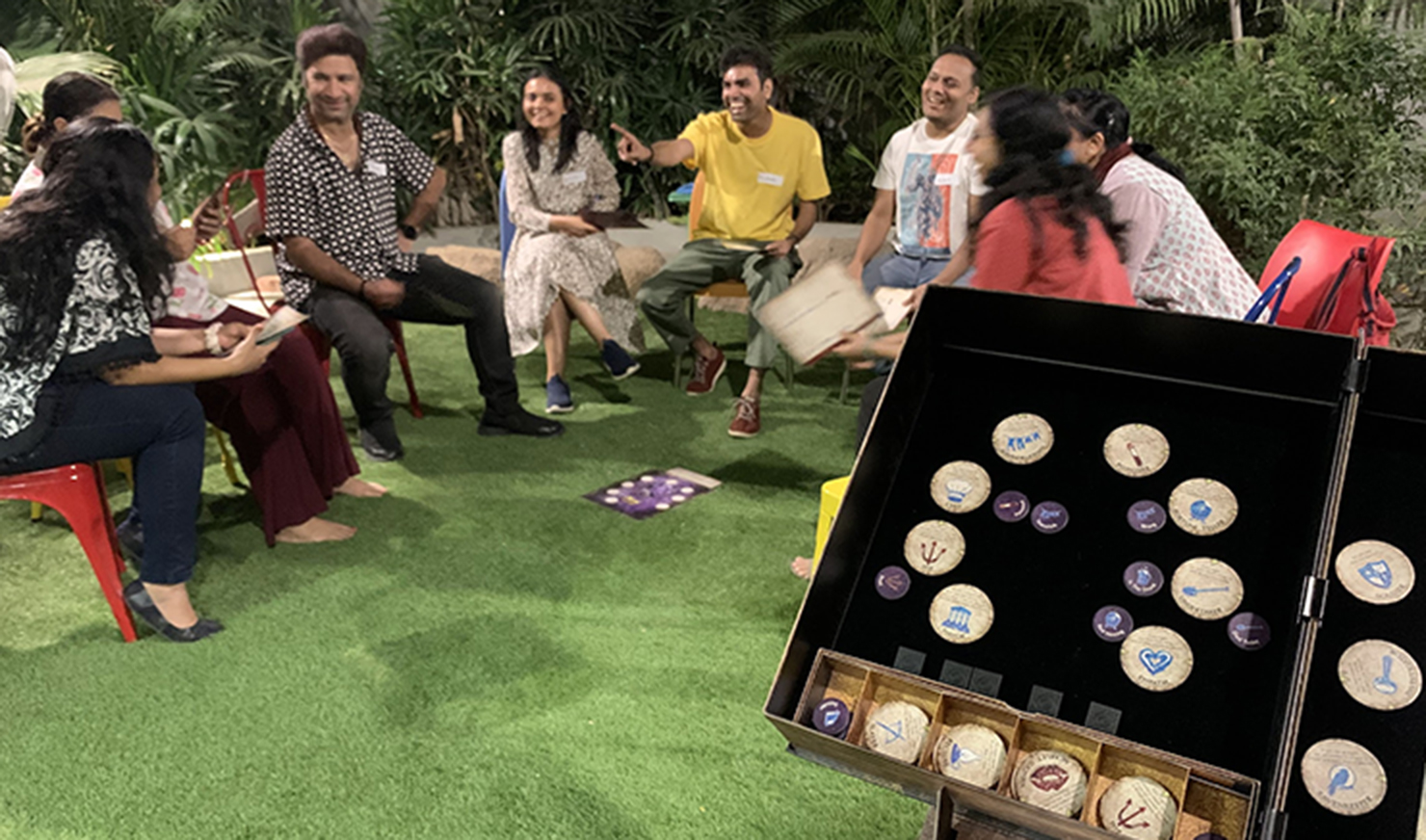
To provide structure and keep the game moving along, designers employ rules called mechanics. For example, Mercado favors the mechanic called “madness,” which means a character tries to convince the group of something. “There’s a lot of silly things that you can do with that mechanic,” she says.
Mercado develops new characters. She writes scripts and tests components with groups in Melbourne and Sydney, where she lives, and online with players from the United States and across Europe.
The game was created for in-person gatherings, but groups have begun to play online through The Pandemonium Institute’s official app.
Kill with Grace, Die with Dignity
Jason Goodman ’12 enjoys the intrigue of Clocktower. A senior software engineer for Airbnb who lives in San Francisco, Goodman appreciates how the game brings his friends together.
“If you’re uncomfortable with bluffing, like if poker just freaks you out, this is probably not going to be the game for you,” he says.
He believes the game creates an inclusive atmosphere and, despite being about deception, “it’s just the friendliest possible environment.”
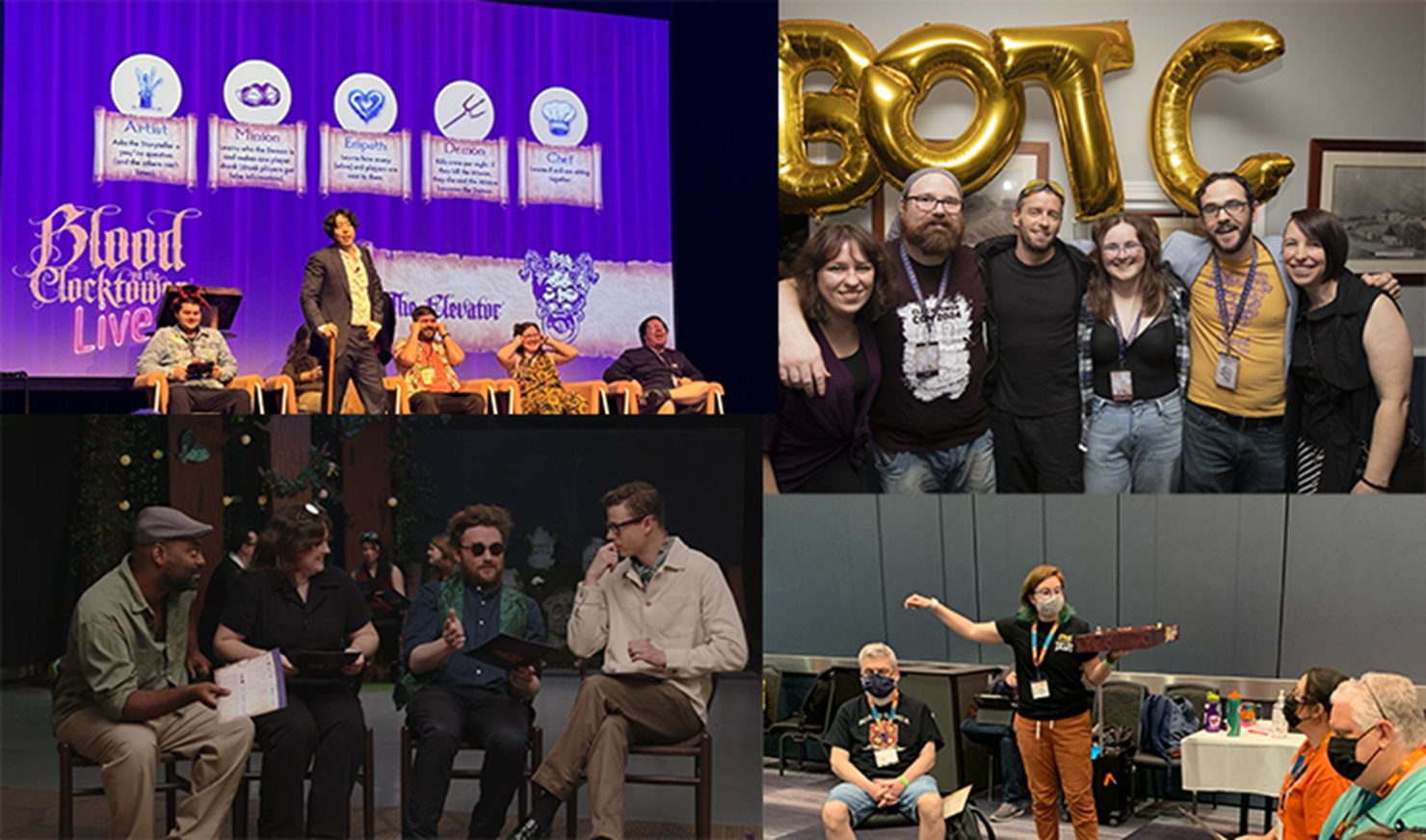
Goodman points out that the game’s instructions include, “kill with grace and die with dignity.” When it comes to executing players, the game instructs, “be pleasant and sportsmanlike.”
“I have a friend who’s really into chess asking me, ‘Are there professionals? Can you get to the highest level? Do you win all the time?’ I was like, ‘That’s not what the game is about. The game is about having fun.’ ”
Unlike most games, when you die in Clocktower, you’re not eliminated. You continue playing as a ghost. You can join discussions and vote one more time to try to help your teammates win.
That underscores the ultimate end goal of this murder mystery phenomenon: enjoying the company of others.
“There’s something very heartwarming in the age of polarization and silos to have a place where people can come together and have fun,” Goodman says.
Emma Joyce is the digital editor for DAM. She plays Blood on the Clocktower with her friends.