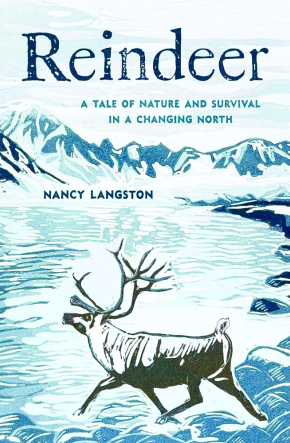
Based on her research in northern Scandinavia, Iceland, North America, Mongolia, and elsewhere, the emerita professor of environmental history at Michigan Technological University recounts the global history of reindeer, how they migrated as glaciers retreated, and why their numbers have sharply dwindled. The fascinating book is enhanced with the author’s artwork.
The award-winning photographer, who has traveled to more than 75 countries, focuses on his backyard river—the Colorado—which no longer reaches the sea. His visually riveting, 20-year portrait of a river in peril is a moving elegy that shows its “grandeur and the staggering scale of its exploitation."
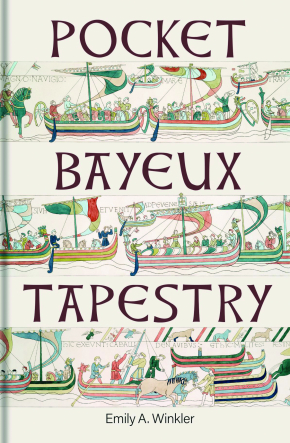
Winkler, who teaches medieval history at the University of Oxford, translates Latin texts and offers insights into each scene in the renowned Bayeux Tapestry. The guide’s publication coincides with a British Museum exhibition of the monumental embroidery that recounts the events leading up to the Norman Conquest of 1066—which changed England forever.
Coauthor Szuhaj follows a fictional female CEO who has just 90 days to develop an artificial intelligence strategy—or be fired. Based on the writers’ work at their AI consulting firm, Kung-fu.AI, the fable delves into the uncertainties, missteps, and breakthroughs experienced by business executives grappling with the challenges of AI.
When Veronica Harmon meets her future son-in-law’s parents, she recognizes his father as the young man who assaulted her in high school more than 40 years earlier. She had never told anyone. This novel focuses on how a survivor navigates shame, silence, and memory and finds the power to redefine her experience.
In this era of rising income inequality, we hear a lot about the top 1 percent, with news often focused on the excesses of famous billionaires in the Forbes 400—superyachts, giant homes on multiple continents, and, sometimes, a history of