

Early this summer, David Page ’90 embarked on a weeklong road trip from his family’s home in Mammoth Lakes, California, to North Dakota’s Badlands for the July 4 opening of the new Theodore Roosevelt Presidential Library.
As executive director of Winter Wildlands Alliance, a national nonprofit conservation organization, Page wanted to see firsthand the library honoring the country’s “conservation president.” For Page, an award-winning outdoor and travel writer, the 3,000-mile round trip was also an opportunity to gather string for potential stories.
Traveling in his Subaru with the family Husky, Rio, for company, Page made stops along the route to visit other conservationists and Winter Wildlands stakeholders in Western states.
Shortly before noon on July 7, as he began heading up Teton Pass on Wyoming Highway 22, Page called his wife, Allison. “He wanted to let me know that he was on his way home,” she says.
Before the Pages had finished their cellphone conversation, they were suddenly cut off. Allison tried calling back.
Nothing.
Allison would learn later that a runaway dump truck, hauling a load of asphalt, had careened down the 8,431-foot mountain pass and slammed into Page’s car. In an instant, one of the West’s most articulate defenders was silenced. Page, 57, and another driver were killed. Four people were injured. Rio, Page’s adventure partner, also died.
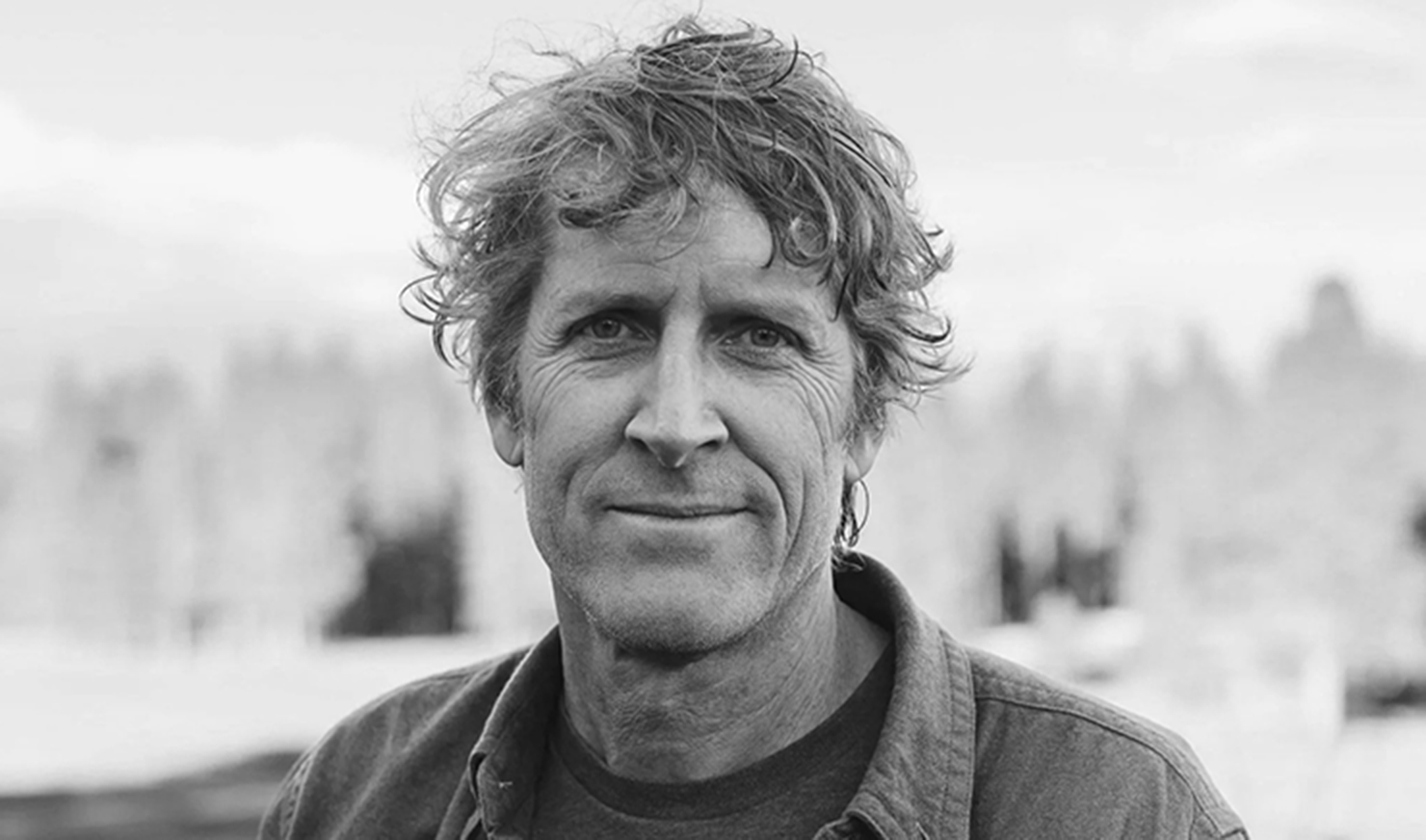
It was characteristic of David that he spent his final day engaged in the work that had become central to his life: protecting the mountains he loved and encouraging people with differing interests to find common ground.”
—Allison Page
Page had planned one last stop that afternoon on the Idaho side of Teton Pass to meet with another conservation leader about the proposed expansion of a nearby ski resort.
In May, the U.S. Forest Service had given preliminary approval to the Grand Targhee Ski Resort’s plan to develop nearly 700 acres. But Page and his organization were still hoping to reach a compromise that would scale back the project.
Winter Wildlands, along with local elected officials and the Wyoming Game and Fish Department, argued that additional ski lifts, runs, an on-slope restaurant, and other amenities could irreparably harm the wilderness.
“It was characteristic of David that he spent his final day engaged in the work that had become central to his life: protecting the mountains he loved and encouraging people with differing interests to find common ground,” Allison wrote in an obituary she crafted with the help of other family members.
“David was in his element when he was meeting with people in the wild places that he loved,” says Jaime Musnicki ’01, Winter Wildlands board president.
Page grew up in Denver, graduating at the top of his East High School class. At Dartmouth, he focused his studies on history and Spanish literature. In the years following graduation, Page, ever the adventurer, seemed always in motion. He trained sled dogs for the Iditarod, seined for salmon in Alaska, and joined a paleontologist’s search for fossilized dinosaur eggs in Patagonia. Already fluent in Spanish and French, he moved to Morocco to learn Arabic.
While writing screenplays, he lived on a sailboat near his mother, Barbara, outside Los Angeles. There, he met Allison, a Harvard-educated actress, in 2001.
Allison described her husband of 22 years, an avid backcountry skier, as the Marlboro Man without a macho streak or smoking habit—just the chiseled good looks and love for the outdoors.
P.H. Mullen ’91 of San Jose, California, saw Page in a similar light. “At a party, he was not the person at the center of attention, telling jokes,” says Mullen, who was on the Dartmouth swim team with Page and had dinner with him a few months before his death. “He would just be in the crowd, observing. There was no ego whatsoever with him.”
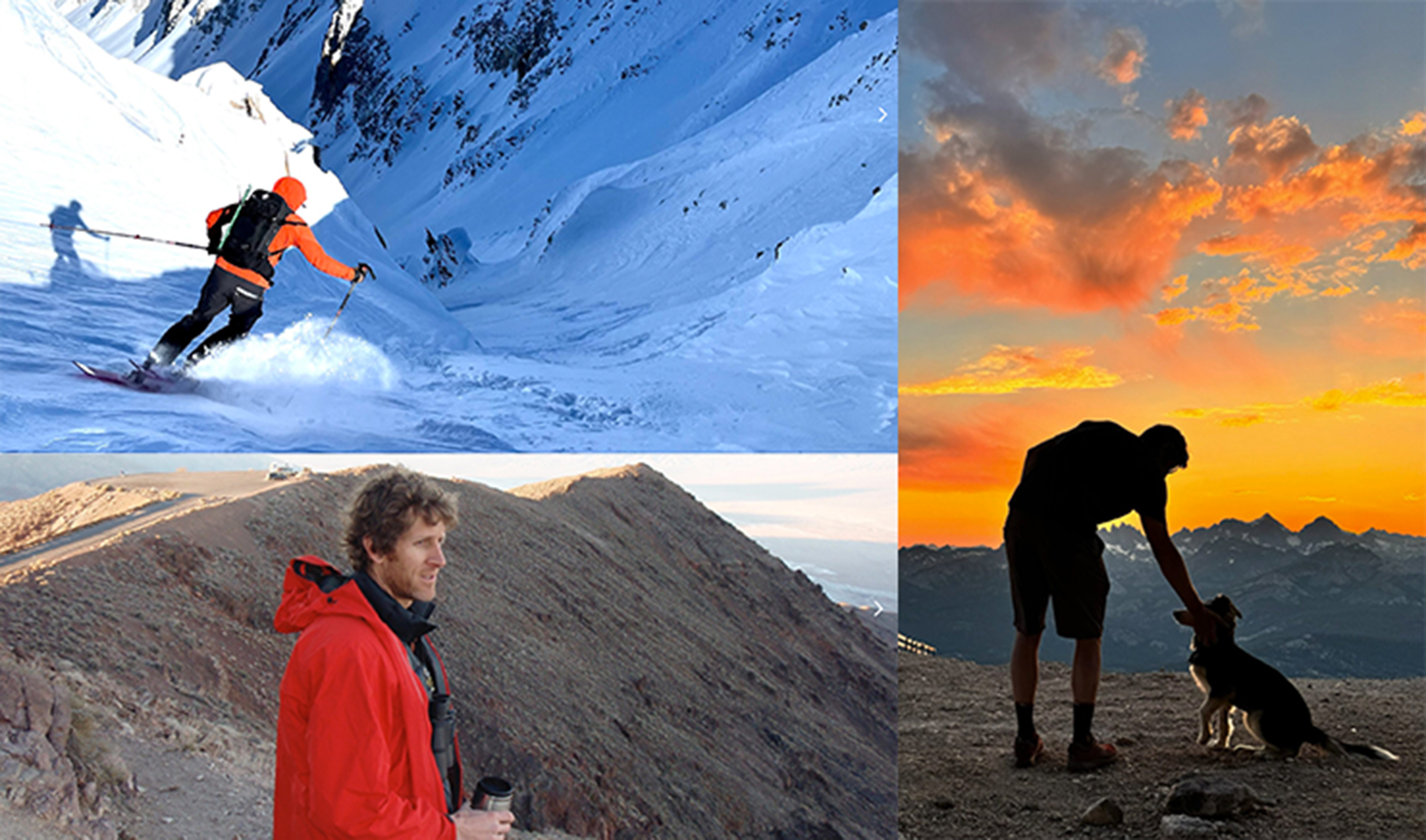
“David was on the front lines in our grassroots fight to protect our public lands.”
—Kim Havell, ski mountaineer
David and Allison eventually settled in Mammoth Lakes, a resort town in California’s High Sierra mountains, where they raised sons Jasper and Beckett.
Mammoth Lakes, a haven for outdoor adventures with one of the longest ski seasons in the United States, suited Page well.
“David was one of the most capable humans, especially in untrodden terrain, but his ability to estimate the length of time of excursions forever eluded him,” read the obituary that Allison put together. “We all learned to bring snacks and a high threshold for pain.”
Jasper, 21, also contributed to his father’s obituary. “He encouraged his kids to get up at ungodly hours and set them off running free up dunes, into woods, down mountains, and across valleys in search of freedom and connection to beauty and spaces,” Jasper wrote.
By the time Page took the job at Winter Wildlands in 2016, he had established himself as a dogged reporter and gifted writer whose byline appeared in national magazines and newspapers. Some of his most impactful work came at Powder magazine, where he was a longtime senior correspondent.
“Dave really leaned into the hard stories that people weren’t telling in the ski world,” says Matt Hansen, a former Powder editor who worked closely with Page.
In 2015, before the federal government’s crackdown on undocumented immigrants became daily news, Page explored the hardscrabble lives of Latino ski town workers and their families. Page recognized that “ski towns would crumble” without these laborers, many undocumented, who fill low-paying but essential jobs, Hansen says.
Page’s feature story “The Quiet Force” shed light on immigrant hotel housekeepers, resort dishwashers, and snow shovelers. He immersed himself in their tight-knit neighborhoods, leaning on his Spanish language skills to gain their trust.
When Page jumped into reporting mode, “he would just get in his car and drive” until he found the people he needed to tell the story, Hansen says.
Page approached his work for Winter Wildlands, where he started out as advocacy director before being named executive director in 2022, with the same fervor.
“David was on the front lines in our grassroots fight to protect our public lands,” Kim Havell, a ski mountaineer and guide in Jackson, Wyoming, wrote on Instagram following Page’s death.
“We have lost a hero.”